

An employee who feels good shows up more motivated, focuses better and stays longer with the company. Employee well-being at work is no longer a simple perk: it directly influences productivity, team climate and the ability to attract talent. Among the concrete levers, setting up a training space stands out for its measurable, lasting effect on staff health.
The question many managers ask is simple. How do you turn a well-being intention into tangible results? The answer often lies in facilities that make physical activity accessible, on site and every day.
This article covers the real benefits, the data that backs them up and the conditions needed for a wellness program to deliver on its promise.
Why employee well-being at work matters
Well-being at work brings together physical health, mental health and the quality of relationships between colleagues. When these dimensions are neglected, absenteeism climbs and engagement drops. When they are supported, the company reaps the benefits on several levels.
The sedentary nature of screen-based work increases fatigue and undermines motivation. Encouraging physical activity at work helps reverse this trend, restoring energy and improving teams' focus.
The labour market adds further pressure. In an economy where skilled workers are scarce, working conditions and day-to-day health become deciding factors for candidates. A workplace that takes care of its people stands out.
The role of a training space in well-being
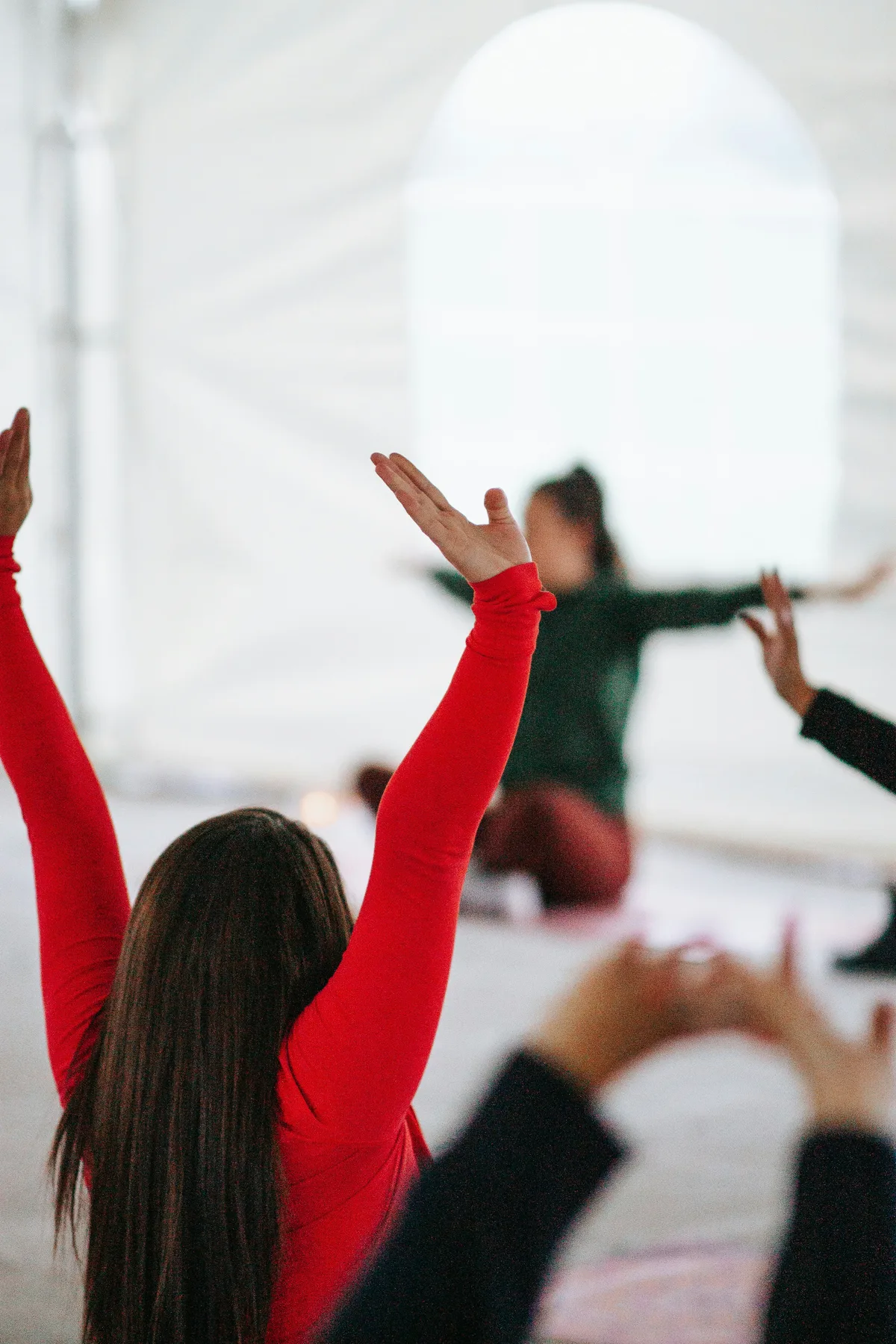
A training space in the workplace removes the main barrier to physical activity: lack of time, which is also one of the biggest obstacles to employee well-being at work. Employees no longer have to plan a trip to an external centre, which increases how often the space is actually used.
Beyond exercise, such a space creates a gathering point. It encourages informal exchanges between departments and strengthens the sense of belonging. For a corporate health and wellness program, it is a physical anchor that makes the initiative visible and concrete.
This unifying effect matters as much as the activity itself. An active break shared between colleagues fuels collaboration and breaks down silos — something a simple external membership reimbursement can't achieve.
The measurable benefits of physical activity at work
The effects of an active workforce aren't just a feeling. Several Quebec and Canadian studies quantify them. According to Revue Gestion by HEC Montréal, people who move regularly are on average 9% more productive, and physical activity reduces absenteeism by about 2%.
These gains matter, especially when you consider that the direct costs of absenteeism reach billions of dollars every year in Canada. ACTIZ, a Quebec organization, also highlights the positive effect on team spirit, mood and collaboration.
| Benefit | Observed effect |
|---|---|
| Productivity | Average increase of about 9% among active people |
| Absenteeism | Roughly 2% reduction in absences |
| Workplace climate | Better collaboration and team spirit |
| Employer brand | An asset for attracting and retaining talent |
| Mental health | Reduced stress and better mood |
These results feed directly into employee well-being at work:
- Greater energy and focus throughout the day.
- Fewer absences related to physical and mental health.
- A more positive, more collaborative team climate.
- The image of an employer that cares about its staff's health.
- A more appealing return to the office for teams.
These outcomes reinforce one another. A fit employee focuses better, which reduces errors and stress, which in turn limits absences and improves the overall climate.
Thinking about offering a wellness space to your teams? Explore the options to build a corporate gym.
Mental health and daily stress management
Mental health is a central component of employee well-being at work. Physical activity acts directly on this front, since exercise promotes the release of endorphins and helps lower stress levels.
Offering a space to move during the day gives employees a concrete outlet for pressure. A short session between two meetings is often enough to recharge attention and ease the mental load.
This effect isn't limited to the individual. A less stressed team communicates better, makes better decisions and collaborates more easily, which benefits the entire organization. Over the long term, a better balance between job demands and recovery also helps prevent burnout, a costly issue for many companies.
Which fit-outs actually drive participation
Installing a training space doesn't guarantee it will be used. Success depends on accessibility, safety and the fit between the equipment and the actual users. A poorly designed room stays underused, no matter how good the equipment is.
A few principles boost attendance. A central, visible location, flexible hours, a variety of equipment suited to different levels and an inviting environment make a real difference. Safety and adequate clearances reassure beginners.
That's why upfront design makes all the difference. Needs analysis, layout planning and the right equipment selection determine long-term use. Companies ready to take action can install a gym for their employees with full support.
Facilities scaled to your company size

Well-being doesn't depend on the size of the room. An SME can achieve excellent results with a compact, well-designed space, while a large organization will opt for distinct zones.
The key is to match the facilities to the actual number of users and to work schedules. A space that's too small discourages use at peak hours, while an oversized space needlessly inflates the budget. The balance is found through needs analysis.
This customization explains why two neighbouring companies can end up with very different fit-outs, each adapted to its reality and culture.
How to integrate a workplace wellness program
A structured program anchors employee well-being at work in the organization's culture. Active breaks, group challenges and health initiatives extend its effects and embed new habits over time.
Success rests on consistency and leading by example. When management values movement and the facilities are easy to access, participation follows naturally. The goal is to make physical activity normal, not exceptional.
To dig deeper into the payoff, it's worth measuring the return on investment of such a project before setting the budget. Explore the factors that determine corporate gym ROI.
Conclusion
Employee well-being at work is built through concrete actions, and a training space ranks among the most effective. The data confirms it: an active workforce is more productive, absent less often and more engaged with its organization. By making physical activity accessible on site, you turn a good intention into a lasting habit.
To assess the feasibility of such a project in your space, request a free quote.