
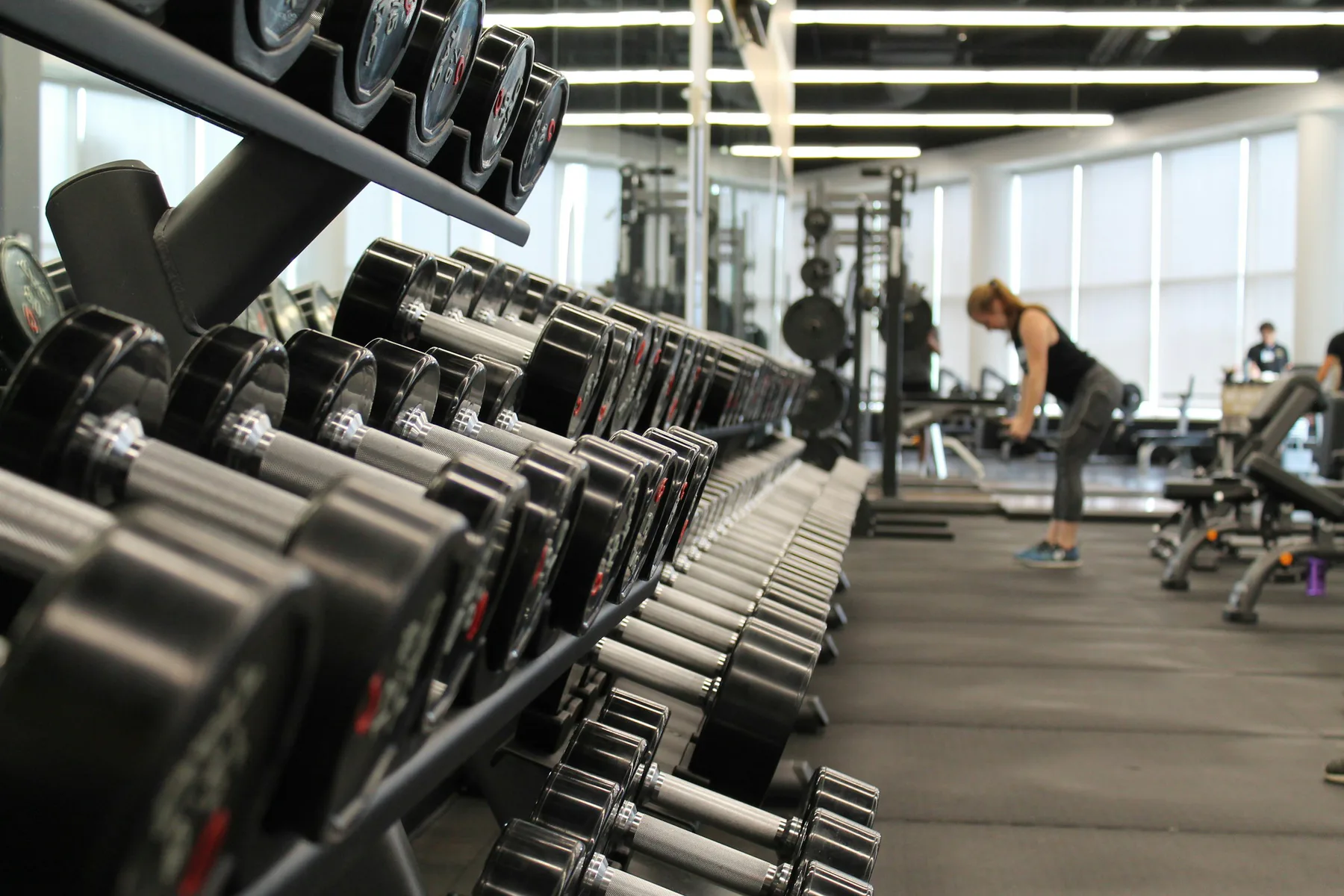
Opening or renovating a fitness centre is a major investment. Knowing how to choose commercial gym equipment quickly becomes essential because equipment often represents the largest share of the budget. A poor decision is costly: premature breakdowns, hard-to-find parts and machines that do not match actual traffic.
This guide explains the practical criteria to assess before equipping a commercial gym.
How to choose commercial gym equipment for your traffic
The first criterion is not the brand, but the intended use. A machine designed for residential use cannot withstand the same pace as a high-traffic centre, where one treadmill may operate for several hours a day, seven days a week.
Before shopping for equipment, establish the expected number of users, peak hours and the main training styles in your centre: cardio, strength training, functional training or group classes.
Factors to consider before purchasing
- The expected number of simultaneous users.
- The experience level of your target clientele.
- The available space and constraints of the premises.
- The total budget, including installation and maintenance.
- The long-term availability of replacement parts.
Check durability and certifications
The durability of commercial equipment is demonstrated through recognized standards, not only a salesperson's promise. The international ISO 20957 standard establishes safety and strength requirements for various categories of training equipment. It provides a reference point for assessing whether a machine can withstand intensive use.
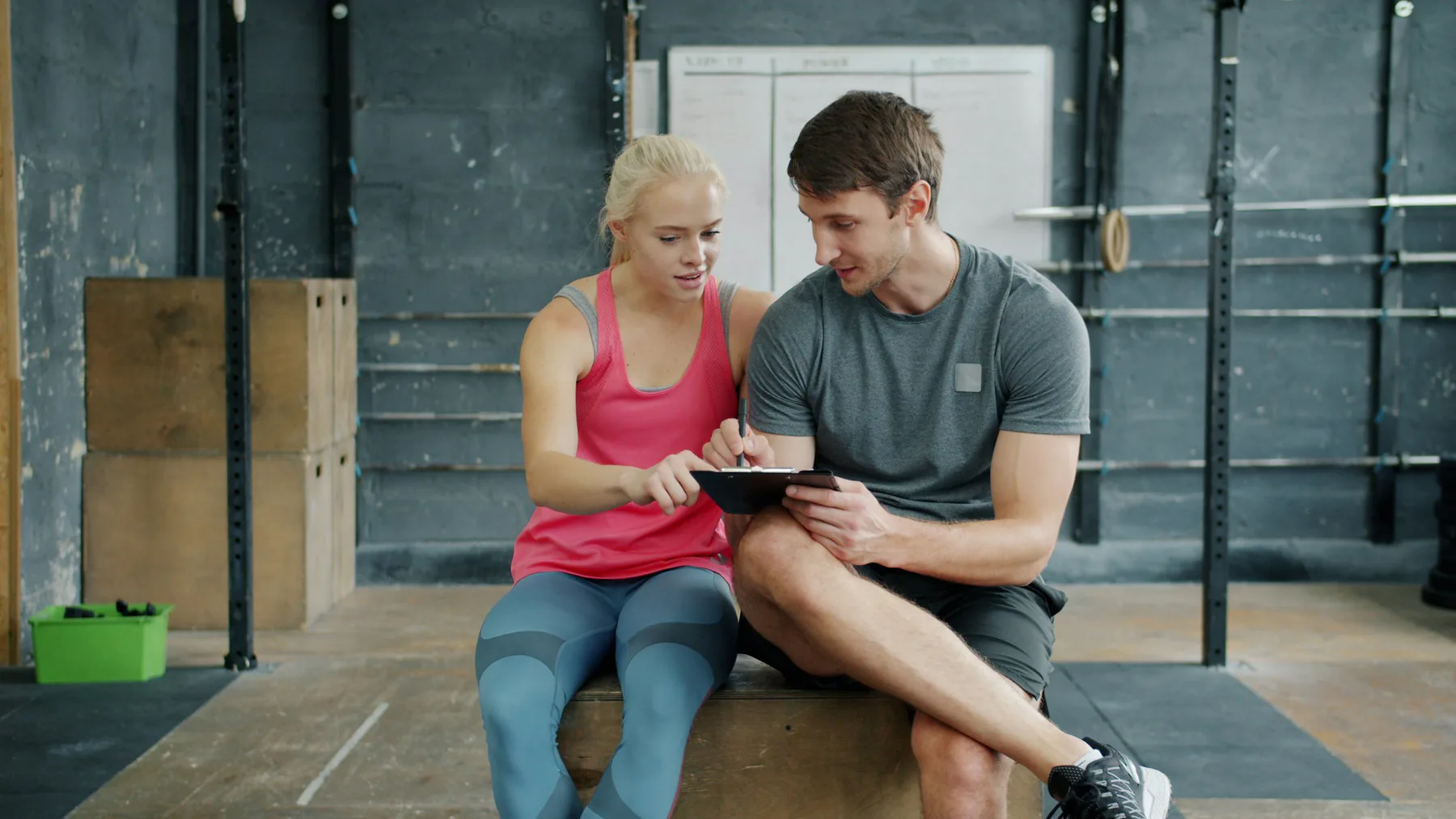
Equipment that complies with this type of standard has generally passed endurance tests that simulate thousands of use cycles. These tests offer a useful indication of its ability to handle commercial-centre traffic rather than occasional residential use.
Cardio, strength and functional training have different needs
Cardio equipment
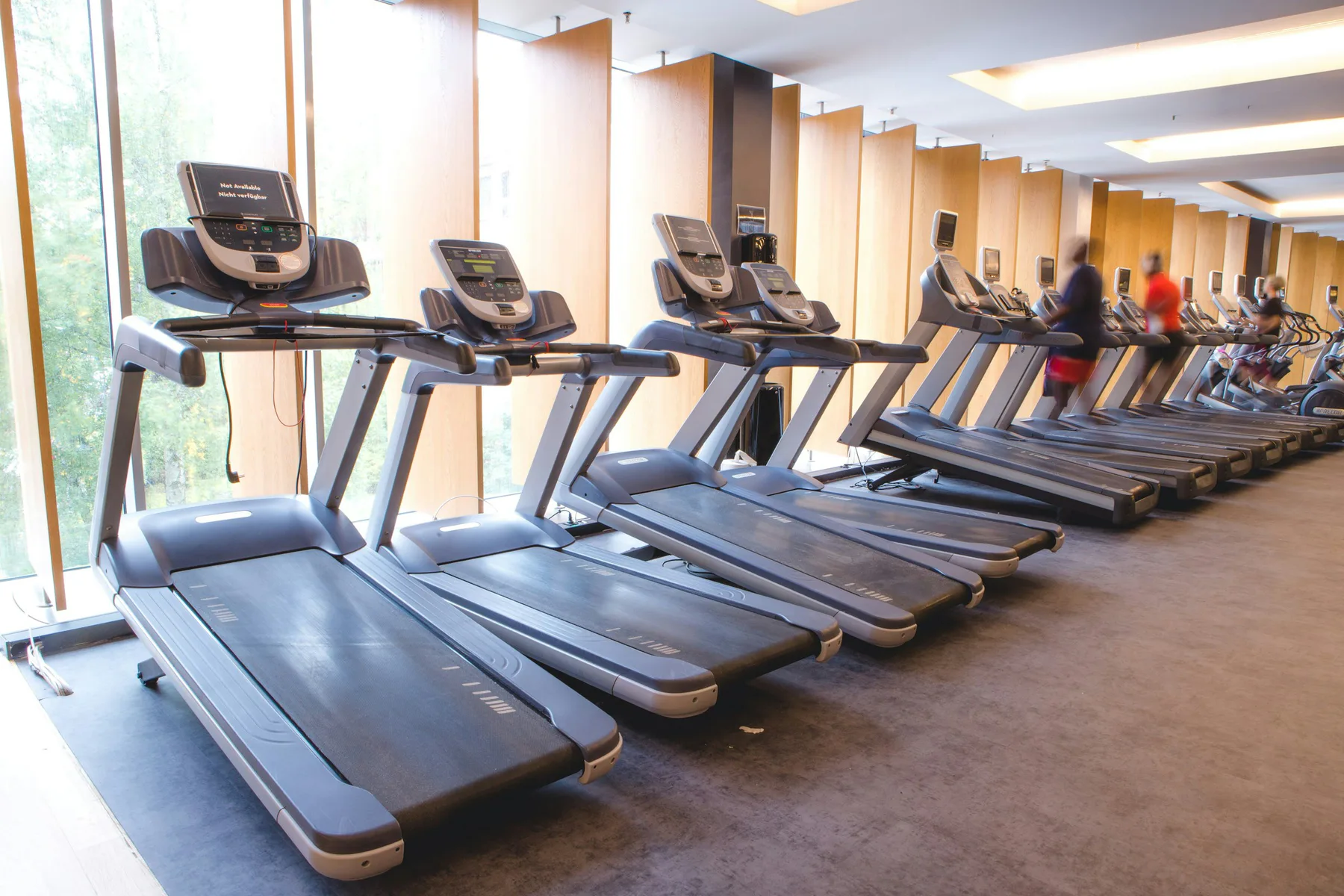
Commercial treadmills, bikes and stair climbers see some of the fastest wear in a high-traffic gym. Connected consoles with performance tracking and training-app integration have become standard for several manufacturers, including Matrix, helping improve the member experience and encourage consistent training.
Strength equipment
Racks, benches and selectorized machines must withstand repeated heavy loads. Frame strength, weld quality and ease of adjustment have a direct impact on longevity and user safety.
Functional training
Modular structures, free weights and functional-training accessories require particular attention to material strength and ease of maintenance. Unlike guided machines, they are handled directly by users throughout every session.
Choose a reliable supplier and distributor
Even the strongest machine loses value if it is poorly installed or impossible to repair. Working with an authorized distributor provides access to authentic manufacturer-supported equipment and structured after-sales service.
An authorized Matrix dealer in Quebec, for example, provides parts availability, professional installation and long-term support — considerations that are often overlooked during a first commercial-equipment purchase.
Planning a project and wondering how to choose commercial gym equipment for your centre? A free quote provides a selection tailored to your needs.
Allocate the budget across equipment categories
A poorly allocated equipment budget often creates an unbalanced centre: too many premium cardio machines, but strength racks that are undersized for actual traffic, or the reverse. The allocation should reflect the training habits of your target clientele rather than a general market trend.
A centre focused on group and functional training will invest more in open areas and modular accessories. A cardio and traditional strength facility will favour a larger number of guided machines and strength stations. Ideally, this planning happens while the space is being designed, rather than after the first machines have been purchased.
Plan for maintenance at the time of purchase
- Establish an annual preventive-maintenance budget.
- Confirm parts availability before purchasing, not after a breakdown.
- Set an inspection schedule for the most heavily used machines.
- Document each manufacturer's warranty for simpler follow-up.
Compare equipment categories for your project
| Type of centre | Recommended equipment priorities |
|---|---|
| Small-footprint studio | Versatile machines, functional training and a compact footprint |
| High-traffic centre | Heavy-duty cardio and strength equipment with readily available parts |
| Hotel or residence | Easy-to-use machines, low maintenance and a polished appearance |
| Premium fitness centre | Connected consoles, recognized brands and a strong user experience |
Common mistakes to avoid
- Underestimating actual traffic and choosing equipment that is too light-duty.
- Overlooking the long-term availability of replacement parts.
- Using multiple suppliers without coordinating the installation.
- Failing to include flooring and layout in equipment decisions.
- Choosing on price alone without checking certifications.
With proper planning, equipment selection becomes part of the overall design of your centre rather than an afterthought.
Choose equipment for a long-lasting commercial gym
Knowing how to choose commercial gym equipment comes down to assessing actual traffic, checking durability certifications and working with a distributor that can provide installation and long-term support. For a gym design project that is properly equipped from the start, request a free quote and receive a selection tailored to your centre.