
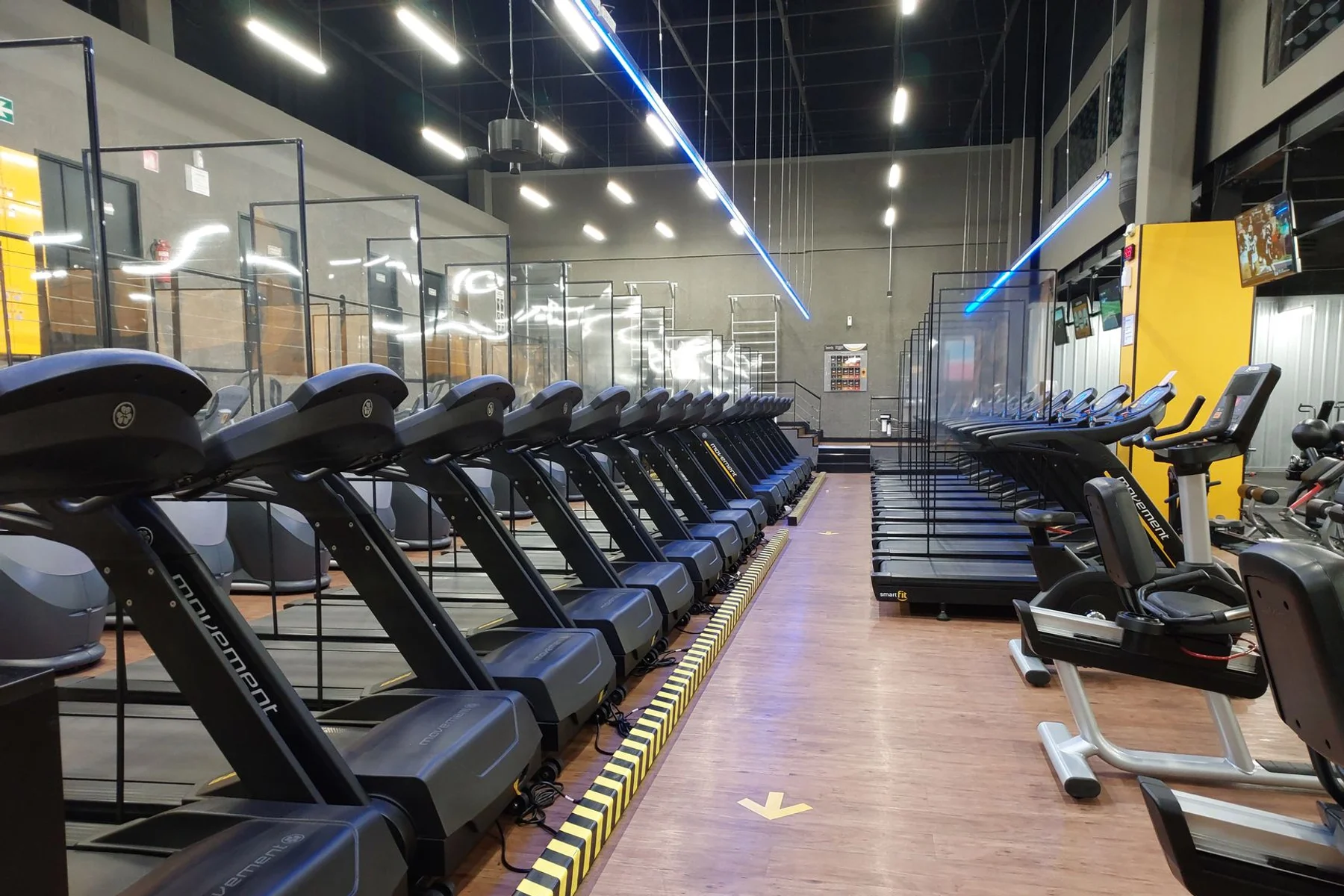
To choose commercial cardio equipment, first assess how busy your gym is, then the durability, motor power and ease of maintenance of each machine. Prioritize models built for heavy daily use and suited to your members and available space before comparing prices.
Opening or renovating a fitness centre is a major investment, and the cardio zone is often the first thing members see when they walk in. A poor equipment choice quickly leads to repeated breakdowns, lineups and complaints. Selecting commercial cardio equipment well protects your profitability while delivering an experience that keeps members coming back.
This guide breaks down the technical criteria, machine types and layout considerations for building a cardio zone that is reliable, safe and profitable.
Why commercial cardio equipment isn't a home model
The difference between a residential model and a professional machine goes beyond price. It comes down to the design of the product itself, built to withstand dozens of uses a day.
The differences between a commercial and a residential treadmill are measured mainly by duty cycle, the ratio of use time to rest time that the machine can handle. A home machine is designed for one or two people, for a few minutes a day. A professional machine runs continuously, from morning to night.
Using residential equipment in a commercial setting also carries legal risk. In the event of a breakdown or injury, a voided warranty or non-compliant use can make the operator liable. That is why choosing commercial gym equipment should always rest on specifications suited to real traffic.
Usage levels to know
According to the specifications of the best commercial treadmills and their documented differences from home models, three usage levels are generally recognized. This table summarizes the most useful technical benchmarks before buying.
| Usage level | Daily use | Typical setting | Motor power |
|---|---|---|---|
| Light (light commercial) | 3 to 6 hours | Hotels, offices, condos, small studios | About 3 HP |
| Mid-range | Extended mixed use | Moderate-traffic facilities | 3 to 4 HP |
| Heavy-duty (full commercial) | More than 6 hours | Clubs and very busy gyms | 4 to 5 HP |
These benchmarks let you rule out undersized models right away. A franchise gym open long hours needs heavy-duty machines, while a low-traffic corporate space can aim for the light level.
Types of cardio equipment for a busy gym
A balanced cardio zone combines several modalities to serve every member profile, from beginners to athletes. Varying the machines also shortens lineups at peak hours.
- Treadmills: the centrepiece, the most in demand and the most demanding to maintain.
- Stationary bikes and spin bikes: low impact, ideal for group classes and rehabilitation.
- Ellipticals: a smooth, shock-free motion, very popular with a mixed membership.
- Rowers: a full-body workout, favoured in cross-training.
- Stair climbers: high intensity and in strong demand in performance gyms.
The right balance among these categories depends on your target members. A cross-training studio will lean toward rowers and climbers, while a seniors' residence will favour low-impact bikes and slow-start treadmills. For a broader look at selection, this guide on how to choose commercial gym equipment complements your thinking on the cardio zone.
Technical criteria to check before buying
Beyond the machine category, several specifications determine longevity and member satisfaction. These criteria apply to most commercial cardio equipment.
Frame strength and weight capacity
A heavy, stable frame absorbs vibration better and supports a varied membership. Check the stated maximum load capacity and the quality of the welds. An undersized frame warps and gets noisy over time.
Motor, belt and running surface
For treadmills, continuous motor power (not peak power) is the real indicator. A wide, well-cushioned belt improves comfort and reduces wear. On ellipticals and bikes, pay attention to how smooth the resistance system is and the quality of the bearings.
Console, connectivity and ease of maintenance
Modern consoles offer real-time performance tracking and integration with training apps, which helps keep members engaged. Still, choose interfaces that are intuitive and easy to clean. Parts availability and simple repairs weigh heavily on the long-term cost of ownership.
Are you planning to open or renovate a fitness centre? Have your real needs assessed by training-room design specialists before finalizing your selection, to avoid costly, poorly suited purchases.
Adapting the cardio zone to your members and space
The best machine in the wrong spot becomes an underused machine. The layout directly affects circulation, safety and the sense of space members feel.
Plan enough clearance behind each treadmill, clear access to electrical outlets and adequate ventilation. A detailed 2D floor plan lets you visualize safety distances and make the most of every square metre before installation.
The member profile also guides the choices. A facility for older adults needs accessible machines with a low step-over that are clearly marked. By contrast, a performance studio can handle more technical equipment. A turnkey commercial gym design service accounts for these factors from the initial assessment.
- Group machines by modality for logical circulation.
- Leave aisles wide enough for safe access.
- Position treadmills facing an open view, never directly against a wall.

Budget, financing and maintenance
The purchase price is only part of the equation. Total cost of ownership includes preventive maintenance, replacement parts and the warranty. Professional fitness equipment that costs a little more but is sturdy and well covered often works out cheaper over five years than a budget model that is replaced early.
On the financing side, operators have two main options. Buying outright maximizes asset ownership, while leasing preserves cash and spreads out the expense. To decide, this analysis of leasing versus buying equipment details the advantages of each option depending on your financial situation.
Finally, a well-designed preventive maintenance plan extends machine life and reduces downtime. Exploring the range of commercial equipment available helps you compare brands, warranties and support services before committing.
Conclusion
Choosing high-performing commercial cardio equipment comes down to a clear method: measure how busy the gym is, validate the technical specifications, balance the modalities, then plan the layout, financing and maintenance. That rigour protects the investment and improves the member experience day after day. To build a durable, profitable cardio zone, work with a team that designs turnkey training spaces and supports you from the initial plan through to final installation.