

Physical activity directly supports mental health at work by reducing stress, anxiety and burnout. Regular movement releases endorphins, improves concentration and sleep, and strengthens employee well-being. Building movement into the day becomes a concrete way to prevent psychological distress and support performance.
Mental health at work is no longer a taboo subject reserved for human resources. Burnout, anxiety, loss of meaning: more and more Quebec organizations are seeing that job pressure leaves its mark. What if part of the solution were simply movement? Physical activity, long associated with fitness alone, is now emerging as a powerful ally of psychological balance.
At a time when employees are looking for better balance, building movement into daily life is a real competitive advantage. This article explains how exercise works on the brain, what concrete benefits it brings to teams and how to build a workplace that genuinely makes people want to move.
Why mental health at work has become a priority
The working world has changed. A heavier cognitive load, constant connectivity and blurred boundaries between professional and personal life weigh on team morale. According to the World Health Organization, depression and anxiety cost the global economy 12 billion working days every year, or about US$1 trillion in lost productivity.
The same organization estimates that in 2019, 15% of working-age adults were living with a mental disorder. These figures point to a simple reality: neglecting the psychological dimension is costly, both in human and financial terms.
Given this, investing in employee well-being at work becomes a winning strategy. Organizations that invest in prevention often see lower absenteeism and better retention. For many, supporting team well-being starts with concrete actions tied to movement.
How physical activity affects the brain and stress
Moving is not just about muscles. Exercise triggers a cascade of biological reactions that directly influence mood and the ability to handle pressure.
Endorphins, cortisol and mental clarity
When we get active, the brain releases endorphins and dopamine, associated with pleasure and motivation. At the same time, the level of cortisol, the stress hormone, tends to drop. This double effect explains the calm felt after a session, even a short one.
Better sleep and sharper concentration
Regular physical activity improves sleep quality, a key factor in psychological balance. Better rested, the brain manages emotions more effectively and holds its concentration longer. Health authorities also point out that at least 150 minutes of moderate-intensity physical activity per week is enough to reduce symptoms of depression and anxiety.
The benefits of physical activity at work for employees
On the ground, the effects translate into concrete gains for both the individual and the group. Encouraging physical activity at work gradually transforms company culture and the day-to-day atmosphere.
- Less everyday stress and anxiety
- Reduced fatigue and burnout
- Better concentration and greater creativity
- Stronger team cohesion through shared activities
- Lower absenteeism and presenteeism
The contrast between a sedentary lifestyle and regular activity speaks for itself.
| Indicator | Sedentary lifestyle | Regular physical activity |
|---|---|---|
| Stress level | High and persistent | Better regulated |
| Sleep quality | Often disrupted | More restorative |
| Concentration | Fluctuating | More sustained |
| Energy during the day | Declining | More stable |
| Burnout risk | Higher | Lower |
These benefits are not just theory. Many companies that decide to bring physical activity into the workplace report a more positive atmosphere and more engaged teams.
Thinking about making movement a pillar of your company culture? Assessing your teams' needs and exploring fit-out options is a simple, concrete first step toward a healthier workplace.
How to build movement into an office day
You don't need a marathon to enjoy the benefits. The key is small habits repeated often, accessible to everyone, regardless of starting fitness level.
Simple habits to put in place
- Hold walking meetings instead of seated ones
- Encourage five-minute active breaks
- Install bike racks and showers
- Organize fun, inclusive team challenges
Creating a dedicated space for movement
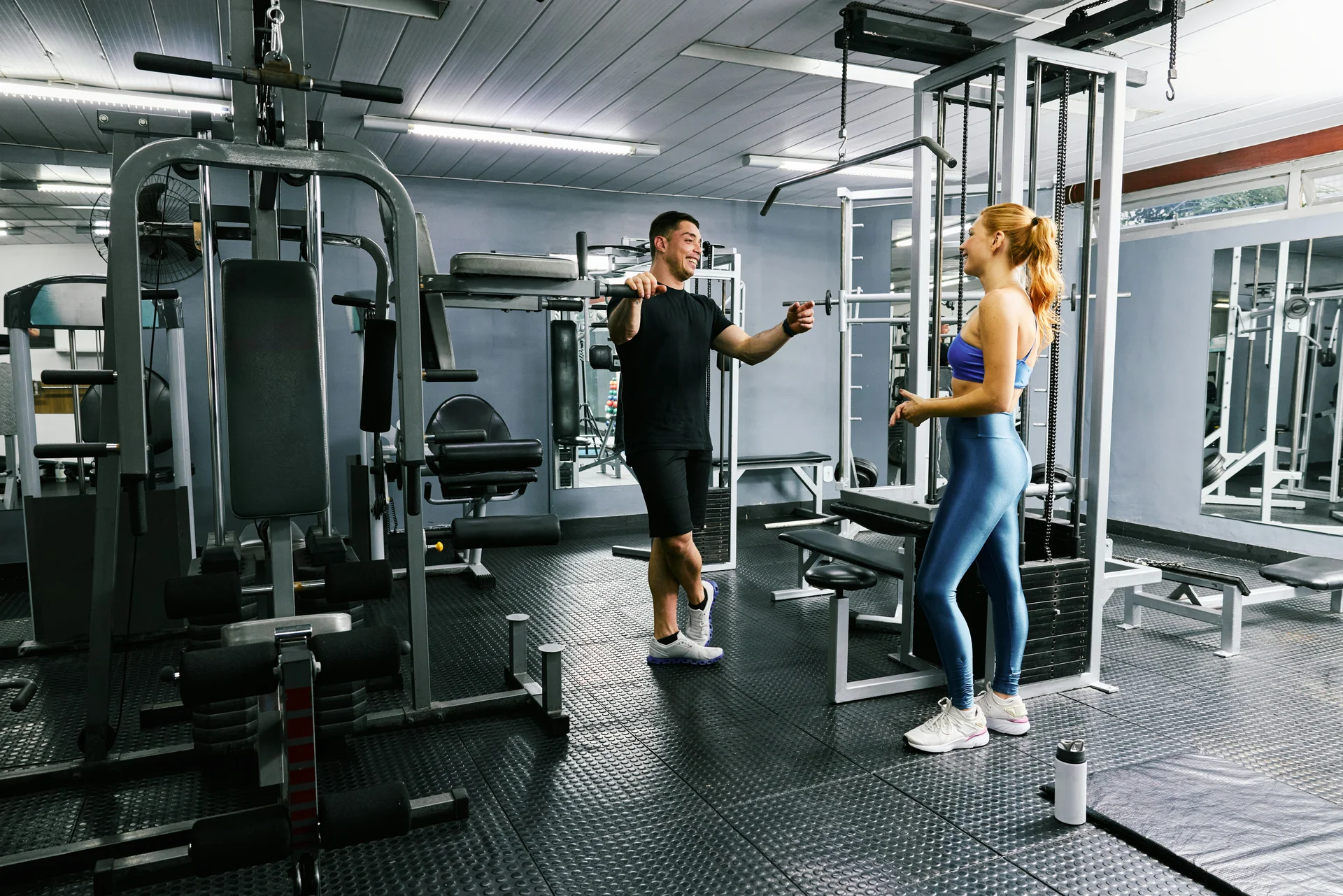
When space allows, offering a dedicated place to train changes the game. Setting up a workout room on site removes the main barrier employees cite: lack of time. A custom corporate gym adapts to the available area, from a small converted room to a full space.
A profitable investment over the long term
Beyond immediate well-being, these initiatives generate a measurable return on investment: fewer absences, a stronger employer brand and more loyal talent. Investing in movement means investing in the lasting performance of teams and in a more human work environment.
Conclusion
Mental health at work is built every day, and physical activity is one of the most accessible and effective levers. By giving teams the means to move, an organization reduces stress, boosts collective energy and protects its most valuable asset: its people. Making movement a priority means building a workplace where everyone can thrive. Take the time to assess how a dedicated space could durably support your teams' well-being and balance.