
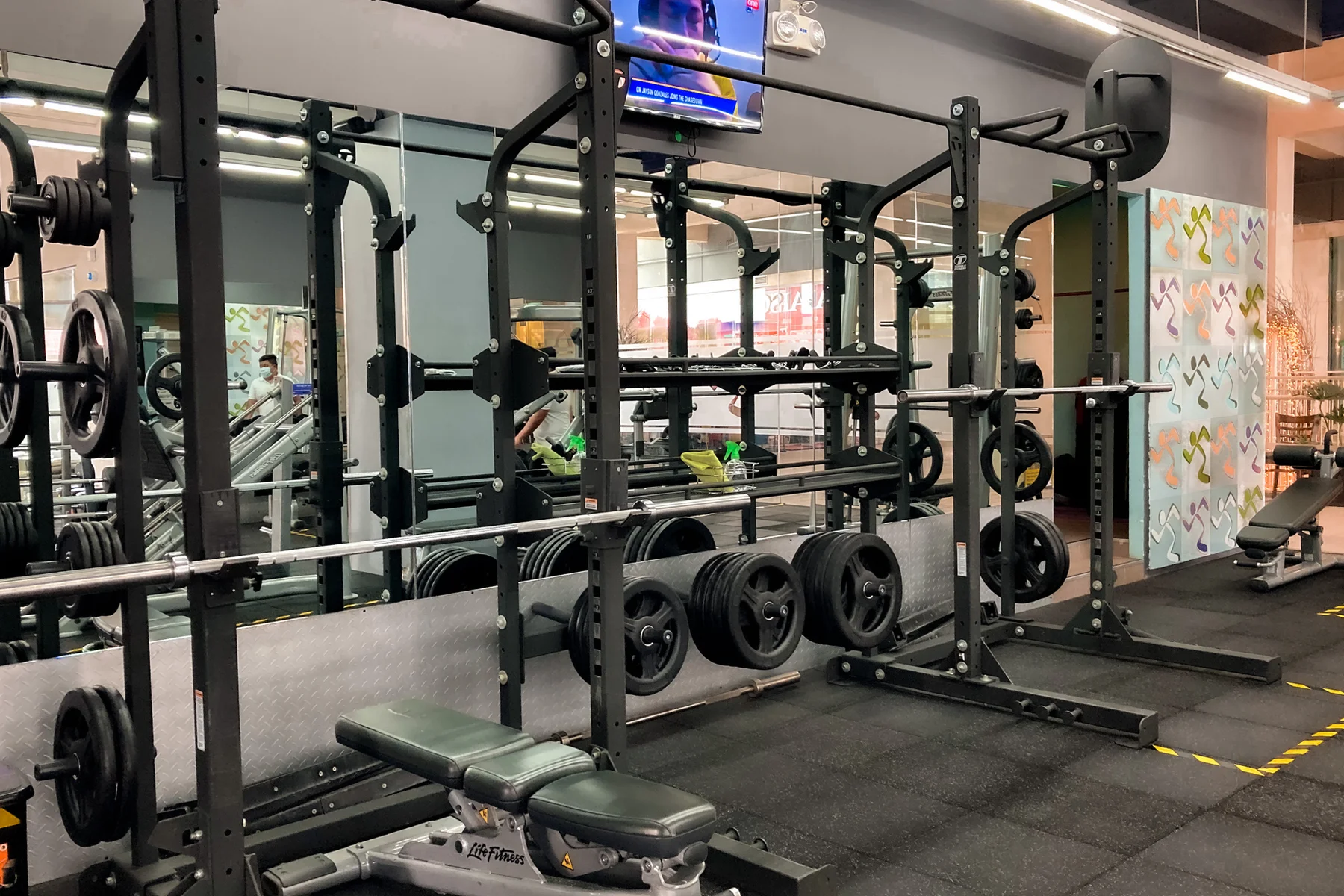
To choose commercial strength equipment well, prioritize a certified usage class (ISO 20957, classes S or I), steel thickness, parts availability and after-sales service. Assess your expected traffic, then balance strength, cardio and functional training according to your target members.
Investing in a fitness centre is a major expense, and the quality of the equipment determines both member satisfaction and long-term profitability. This guide explains what to check before signing, so that the purchase stays aligned with your goals rather than passing trends.
Why equipment choice matters so much
A poor choice costs far more than the sticker price. A machine that is undersized for the traffic breaks sooner, causes more service interruptions and frustrates users. Every machine out of order reduces capacity and hurts the facility's reputation.
Safety is also at stake. Professional fitness equipment must withstand intensive, repeated use without mechanical play or failure. In a commercial setting, the operator is liable if an accident is caused by unsuitable equipment. Choosing well therefore protects both members and the business.
Finally, the right equipment pays off over time. A sturdy, well-maintained machine lasts for many years, while a "semi-professional" model in disguise leads to premature replacements. The calculation should always be based on total cost of ownership, not just the initial invoice.
Criteria for choosing commercial strength equipment
Five concrete criteria let you compare offers objectively. Check them one by one before making any decision.
Usage class and certifications
This is the starting point. The international standard distinguishes several classes according to usage intensity: class H is for home use, while classes S (studio, commercial) and I (institutional, intensive) are suited to facilities open to the public. Consult the ISO 20957 classification to understand the framework.
Require class S at a minimum, and class I as soon as use becomes very intensive. The class must appear in the documentation, the manual and the machine's marking. The CE mark alone remains a manufacturer's self-declaration, as guides on EN 957 usage classes (in French) point out: ask for the certificate of conformity and, if possible, third-party test reports.
Durability and materials
The structure absorbs repeated loads, dropped plates and sudden movements. Check the thickness of the frame steel, the quality of the welds and the anti-corrosion finish. A professional frame relies on thicker steel and a long structural warranty.
Wear parts determine real lifespan: cables, pulleys, bearings, pads and axles. Ask about their quality and replacement, because they, not the frame, are the first to fail.
After-sales service and parts
A machine is only as good as the support behind it. Confirm spare parts availability, delivery times and the presence of a local technician. An authorized dealer guarantees genuine products, professional installation and long-term follow-up.
Go with a supplier that offers installation and preventive maintenance. Comparing suppliers on this basis is often worth more than a simple price difference, as this guide on choosing commercial equipment points out.
Fit with traffic and members
Estimate the number of users per day and the peak hours. Corporate gym equipment for about a hundred employees has different requirements than a high-volume franchise studio. The equipment must withstand the expected use, with a safety margin.
Then adjust the split between strength, cardio and functional training based on your members' real preferences, not trends. A poor mix leaves some machines unused while others are overloaded.
Space, ergonomics and flooring
Measure the safety clearances around each station and the circulation areas. A well-thought-out plan maximizes capacity without compromising comfort. The flooring should also include a shock-absorbing, soundproof floor that protects the slab, reduces noise and cushions impacts.
Test the machines' ergonomics: range of motion, ease of adjustment and pad comfort all encourage member retention.
Planning a fit-out project? Request a free quote from a specialized supplier to validate your needs, your plan and your budget before buying.
Types of equipment available
Equipment falls into broad families, to be combined according to the purpose of the space. Explore the equipment ranges offered to see these categories.
- Strength and guided loads: power racks, presses, cable stations and benches, for supervised and safe resistance training.
- Cardio: treadmills, bikes, rowers and stair climbers, often connected for performance tracking.
- Functional training: modular rigs, kettlebells, straps and accessories for free movement.
- Accessories and free weights: dumbbells, plates, mats and storage that complete each zone.
Balanced professional fitness equipment combines these families according to the available space and the user profile, without overloading any single zone.
Common buying mistakes to avoid
Some pitfalls come up again and again and eat into profitability. Knowing them in advance avoids costly regrets.
- Underestimating traffic and buying semi-professional equipment for intensive use.
- Choosing on price alone, without checking the usage class or certifications.
- Neglecting after-sales service and parts availability.
- Forgetting the floor plan, clearances and flooring.
- Ignoring financing: comparing leasing and buying often changes the decision.
Comparison table of selection criteria
| Criterion | What to check | Why it matters |
|---|---|---|
| Usage class | ISO 20957 certification, class S or I | Ensures compliance with commercial use and limits liability |
| Durability | Steel thickness, welds, frame warranty | Ensures resistance to repeated loads and a long lifespan |
| After-sales service | Parts availability, lead times, local technician | Reduces downtime and protects the investment |
| Traffic | Capacity for the expected number of users | Prevents premature wear at peak hours |
| Ergonomics and space | Adjustments, range of motion, clearances, flooring | Supports safety, comfort and member retention |
Checklist before finalizing your purchase
- Confirm the usage class shown on the marking and in the documentation.
- Obtain certificates of conformity and written warranties.
- Validate parts availability and local technical service.
- Estimate traffic and the split between strength, cardio and functional training.
- Have a floor plan prepared that includes safety clearances.
- Compare total cost of ownership, not just the purchase price.
To frame the overall budget, this guide to the cost of a gym helps you place each expense item.
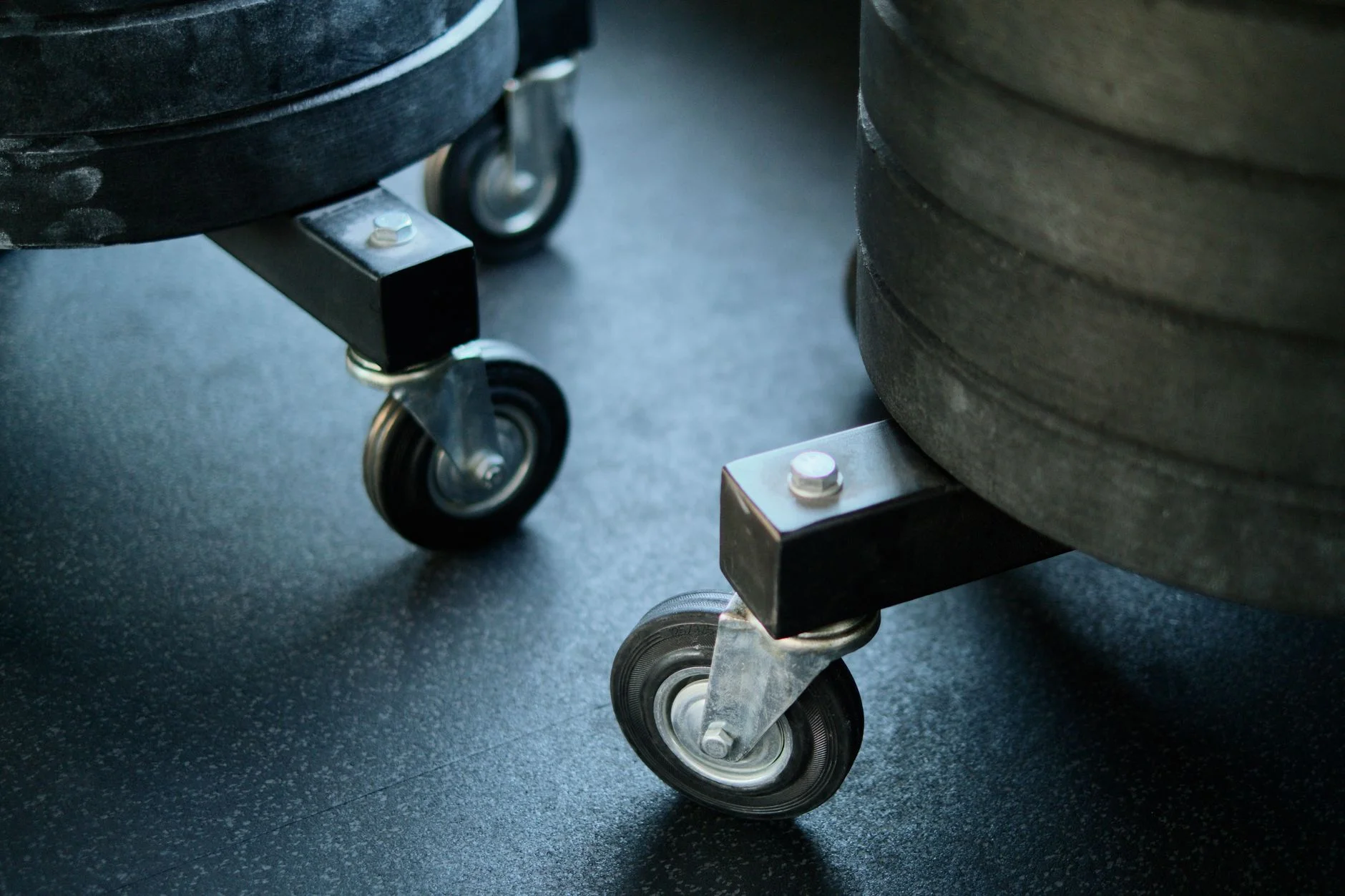
Conclusion
Choosing commercial strength equipment comes down to three pillars: a certified usage class, verifiable durability and reliable after-sales service, all matched to traffic and members. By treating the purchase as a multi-year investment rather than a simple expense, you protect member safety, the facility's reputation and profitability. Before finalizing, have your project and plan validated by a specialized team in a free consultation so you can compare options with confidence.