
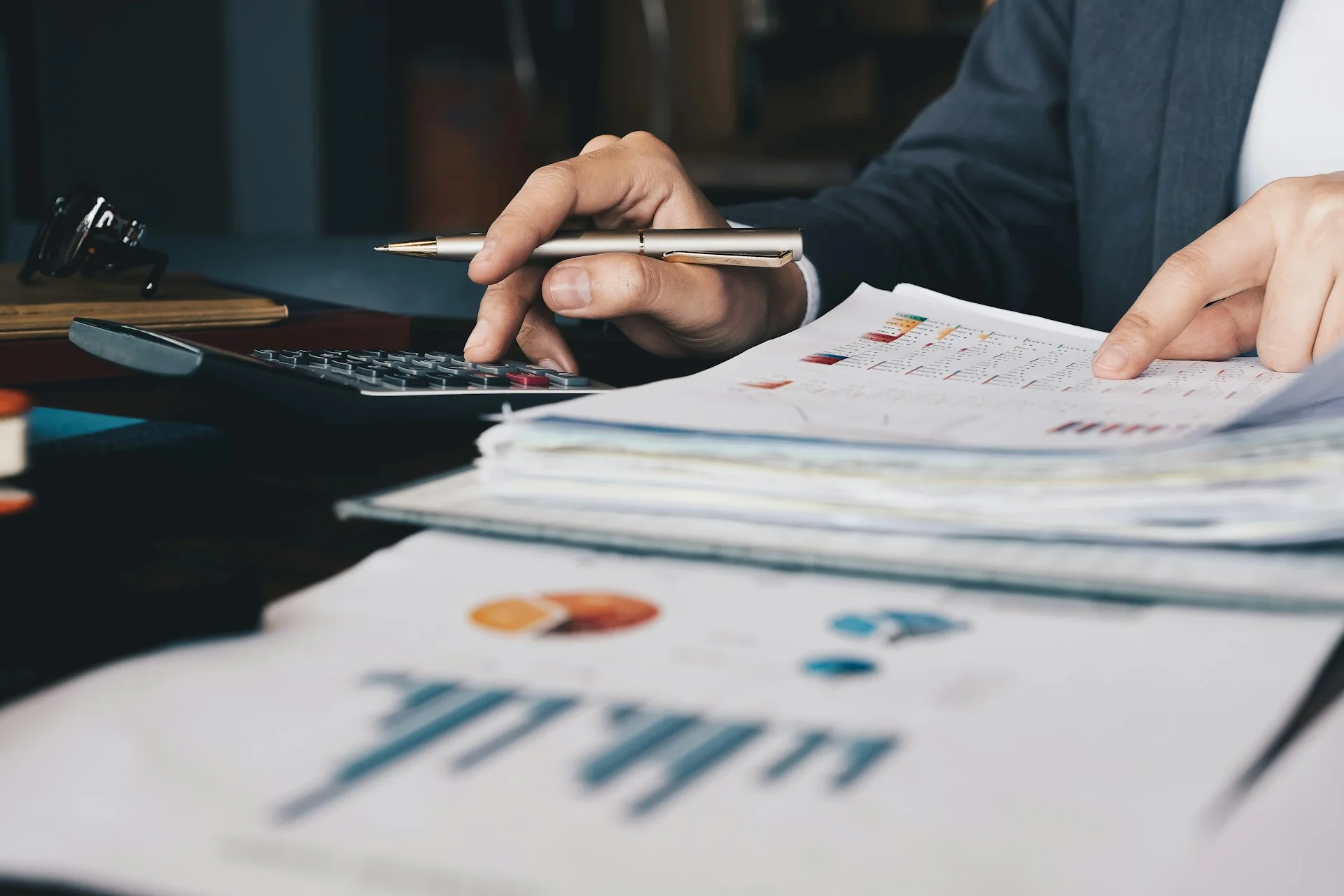
Creating a corporate training space almost always involves an important financial decision: should the company buy the equipment outright or lease it? There is no universal answer. The right choice depends on available cash flow, the company's tax position and how the machines will be used. The following factors usually guide the decision.
What is fitness equipment leasing?
Leasing is a form of financing that allows a company to use equipment without purchasing it immediately. The business makes regular payments over a set term and can generally become the owner at the end of the agreement. According to National Bank, this approach can help preserve working capital while avoiding one large up-front expense.
This option is common in industries that require expensive equipment, including gym equipment financing for companies that want a training space without tying up a substantial amount of capital.
Buying outright: benefits and limits
Buying outright makes the company the owner as soon as the equipment is delivered, with no financing interest to pay. This option is well suited to companies with comfortable cash reserves that expect to use the same equipment for many years.
The main limitation is the immediate impact on cash flow. A large one-time purchase can reduce the company's financial flexibility for other projects. The Business Development Bank of Canada recommends considering this factor before deciding whether to buy or lease equipment.
Leasing: benefits and limits
Leasing spreads the cost of equipment over several months or years, making budgeting easier, particularly for a growing company. In some cases, it also allows equipment to be renewed more often without having to resell the existing machines.
The trade-off is that the total cost over the term may be higher than an outright purchase because interest is built into the payments. Before choosing this option as part of the design of your space, compare the terms of several financing offers.
What a financing agreement usually covers
Before signing a lease or conventional equipment loan, make sure you understand exactly what the proposed terms include. Pay particular attention to:
- the agreement term and whether it aligns with the equipment's expected useful life;
- purchase options or end-of-term conditions, including any residual amount due;
- possible additional costs — delivery, installation and maintenance — and whether they are included in the financing;
- payment flexibility if the company's revenue changes.
Clarifying these points before signing prevents surprises during the agreement and makes it easier to compare offers from different financing partners fairly.
A practical example
Consider a company that wants to create a training space for about 100 employees. If its cash flow is limited but revenue is stable, leasing lets it spread out the expense while keeping funds available for other priorities, such as hiring or business development. By contrast, a well-capitalized company that expects to keep the same equipment for ten years or longer may benefit more from buying outright and avoiding interest over the term of a financing agreement.
In either case, the choice should not be based solely on the monthly payment. Total cost over the expected useful life, tax implications and the desired flexibility should all be evaluated before an agreement is signed. A financial adviser or accountant can calculate these scenarios more precisely based on the company's budget and circumstances.
Combining both approaches as needed
Some companies choose a hybrid approach: they buy equipment with stable, predictable use outright while leasing technology-heavy machines that are likely to be replaced more frequently. This flexibility makes it possible to tailor the financing strategy to each equipment category rather than applying one approach to the entire project.
Whatever combination is selected, documenting expected replacement dates makes future budgeting easier and helps avoid rushed decisions when a machine reaches the end of its useful life. Reviewing this plan annually alongside the company's regular budgeting process keeps upcoming commitments visible.
How equipment volume affects the decision
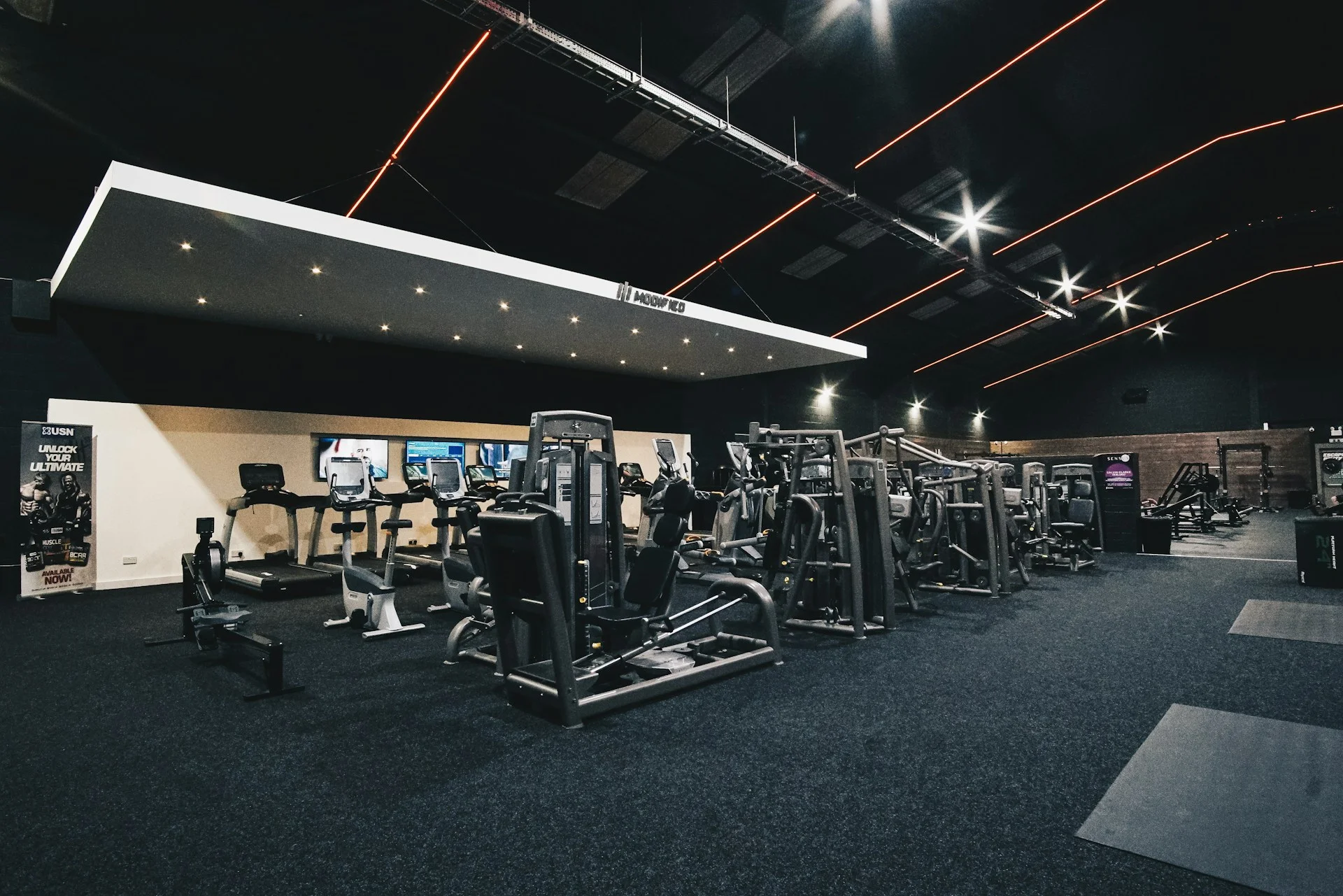
The number of machines also affects the decision to lease or buy. A project limited to a few machines may represent a manageable cash purchase for many companies. A complete facility with multiple cardio, strength and functional zones can quickly reach a level that justifies spreading payments over several years. In the latter case, leasing often allows the project to start sooner, without waiting until the entire required budget has been accumulated.
Which factors guide the decision?
Several points should be considered before choosing between leasing and buying outright:
- available cash and the company's ability to absorb a major expense;
- how long the equipment is expected to remain in use before replacement;
- the company's tax position and the deductions available under each option;
- plans to expand or evolve the training space over the medium term.
Discussing these factors with an experienced team often clarifies which option best fits the company's particular situation. The criteria should also be reviewed periodically as the business grows or its priorities change, since a financing strategy that made sense at the outset may no longer reflect current needs.
Whether the company leases or buys outright, the important thing is to align the financing choice with its medium-term goals and actual financial capacity. Companies looking for a quote can discuss the available options based on their situation.