
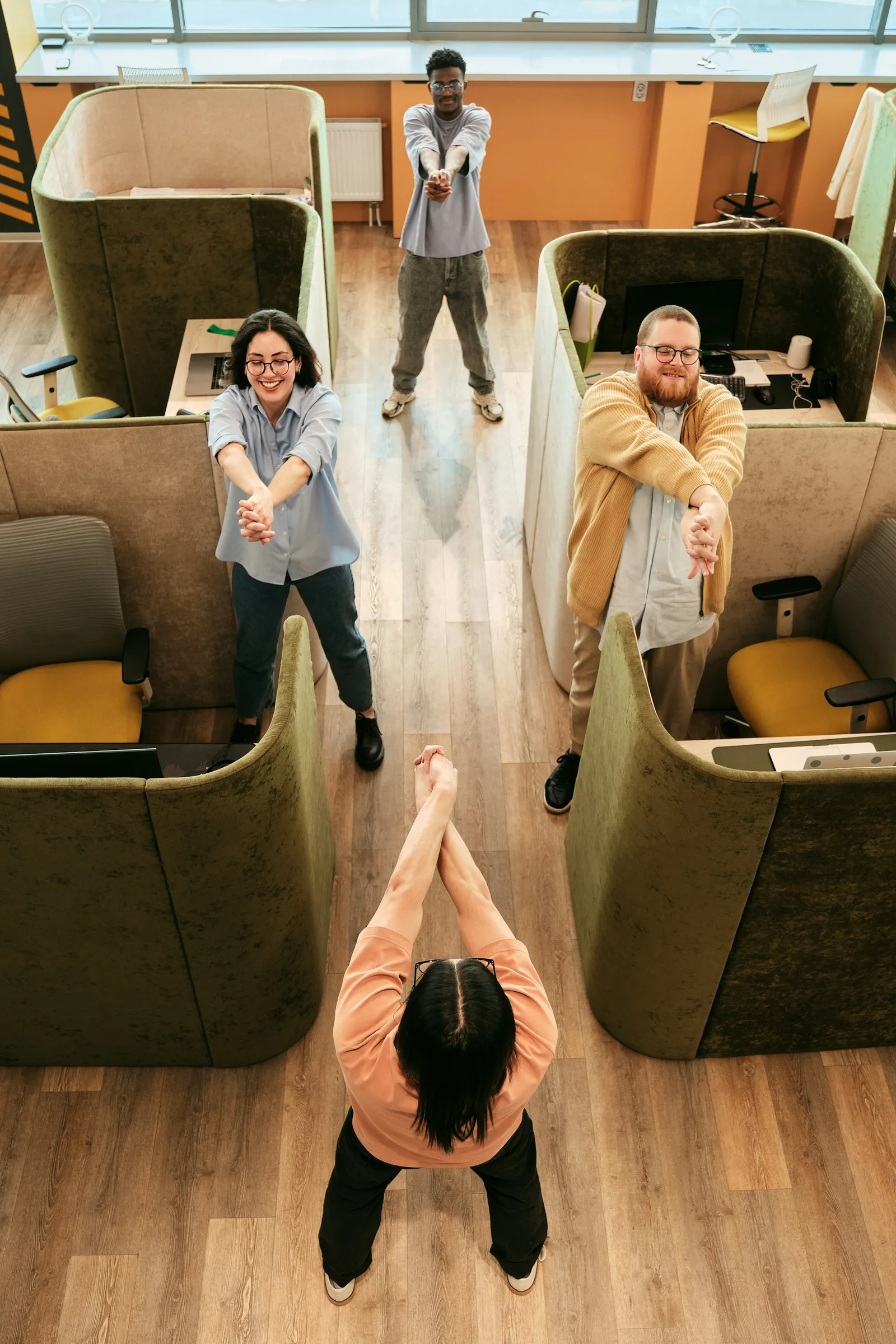
Physical activity at work includes all initiatives that encourage employees to move more during their workday, whether through an on-site training space, active breaks or structured programs. More and more companies are exploring these options to support team health and improve the organizational climate.
Why this issue is gaining importance in the workplace
Concerns around employee retention, psychological health and the competitiveness of the employer brand are leading more organizations to reconsider their approach to workplace wellness. Physical activity is no longer viewed solely as an occasional perk, but as a tool that affects both team health and day-to-day operations. This shift explains why the issue now extends beyond human resources to senior management, particularly in sectors where attracting and retaining talent remains difficult.
The observed impacts of physical activity at work
Several organizations have studied the effects of physical activity in the workplace. According to the Canadian Centre for Occupational Health and Safety, a workplace that values physical activity contributes to a better quality of life for workers, both at work and at home, and may support higher productivity and lower absenteeism.
The Kino-Québec scientific committee also notes that the benefits go beyond physical health: attendance at work and organizational performance are among the outcomes associated with an active workplace, according to its advisory report on physical activity at work. These findings strengthen the case for companies considering a dedicated space for employees.
Best practices for implementing a program
Introducing a workplace physical activity initiative calls for a gradual approach rather than a radical change. A few practices support a successful rollout:
- ask employees about their preferences before choosing the activities to offer;
- provide flexible time slots so people can participate without affecting productivity;
- start with simple initiatives — active breaks, walking or stretching — before investing in a dedicated space;
- communicate regularly about the program to sustain interest.
These practices encourage more natural adoption instead of a short burst of participation that fades after a few weeks. The guidance of an experienced team specializing in fitness-space design can also inform the process, particularly when identifying the equipment best suited to employees' stated needs.
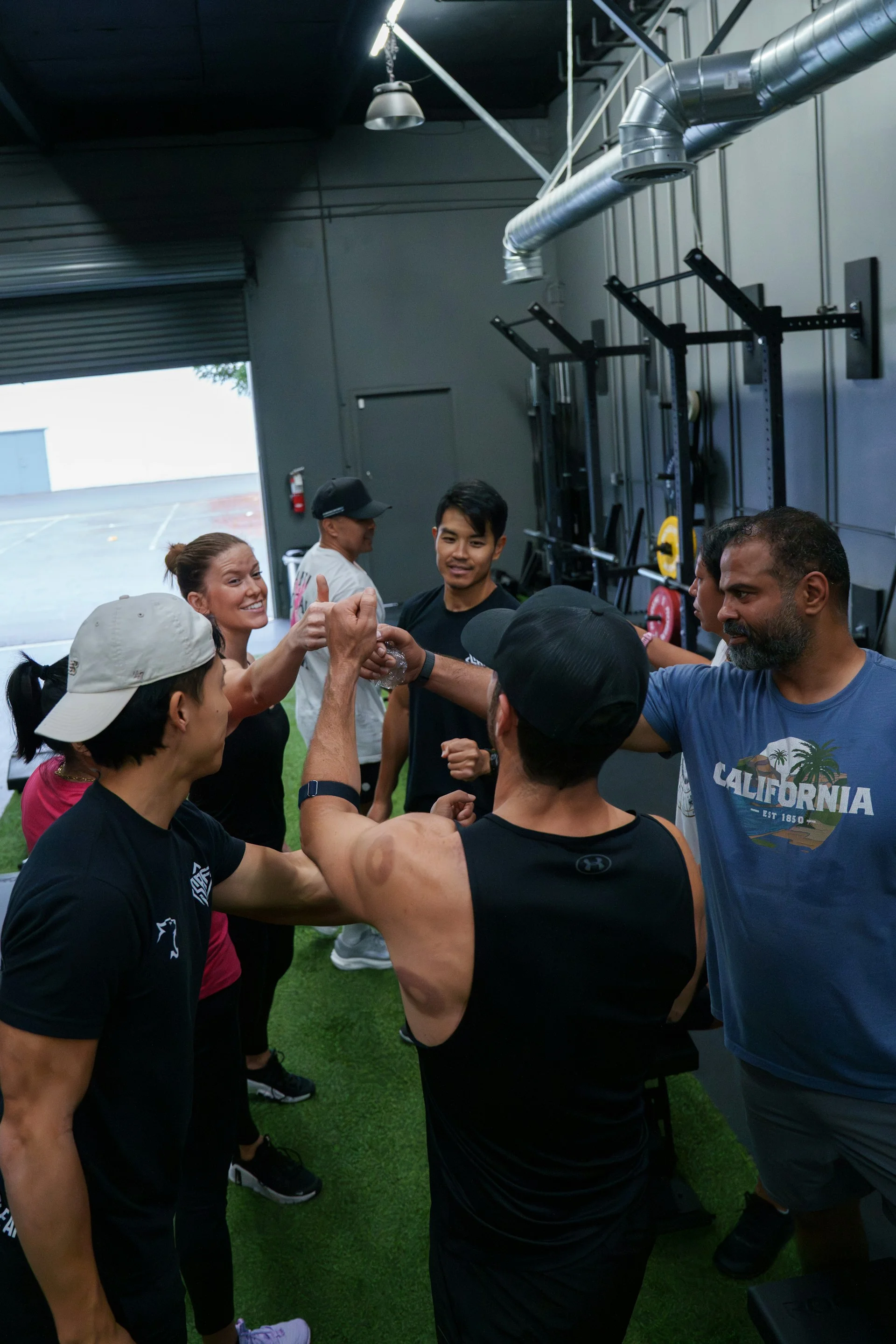
Creating a dedicated space at work
For companies that want to go beyond an informal program, creating a dedicated training space is a practical option. A well-planned space for employees encourages more regular participation because it removes the need to travel to an off-site fitness centre.
The right equipment for your organization depends on team size and program objectives. Some spaces prioritize multi-purpose machines, while others offer separate cardio and strength zones. This type of project can also be planned in advance using financing options aligned with the company's budget.
Some businesses choose a space shared with other uses, an approach also found in commercial solutions designed for multi-purpose environments.
Measuring a program's results
Tracking a workplace physical activity program makes it possible to adjust the offering based on actual participation rather than initial assumptions. A few straightforward indicators can help assess results without complex tools:
- participation in the activities offered, measured over several months;
- feedback collected through short internal surveys;
- changes in absenteeism, while accounting for other factors that may affect it;
- use of the dedicated space, if the company has created one.
These indicators are not a substitute for a rigorous evaluation, but they provide useful signals for adjusting the program over time by changing schedules, diversifying activities or revisiting the available equipment.
The manager's role in the program's success
The success of a workplace physical activity initiative rarely depends on the equipment or space alone. Managers' attitudes toward these initiatives directly affect employee participation. A manager who takes part or explicitly supports active breaks without treating them as wasted time sends a clear signal about the program's importance.
Conversely, a program that is announced and never mentioned again can quickly lose visibility, regardless of the quality of the space or equipment. An occasional reminder in internal communications is often enough to sustain interest without adding to the workload of the teams responsible. A brief mention from a leader during a team meeting can sometimes have more impact on participation than an elaborate communications campaign.
Adapting the program to the size of the company
Best practices do not apply in exactly the same way to every organization. A small business can focus on simple, low-cost initiatives such as active breaks or team challenges, while a larger organization may have the resources to create a dedicated space or provide structured activities.
In both cases, consistency matters more than the initial scale. A modest initiative sustained over time generally has more impact than an ambitious program abandoned after a few months for lack of follow-up. Asking a representative from each team to help monitor the program can maintain engagement beyond the launch, particularly in organizations with several departments or shifts. Reviewing program objectives once a year in light of the feedback received also keeps the initiative relevant instead of allowing it to become a routine that no longer serves its purpose.